
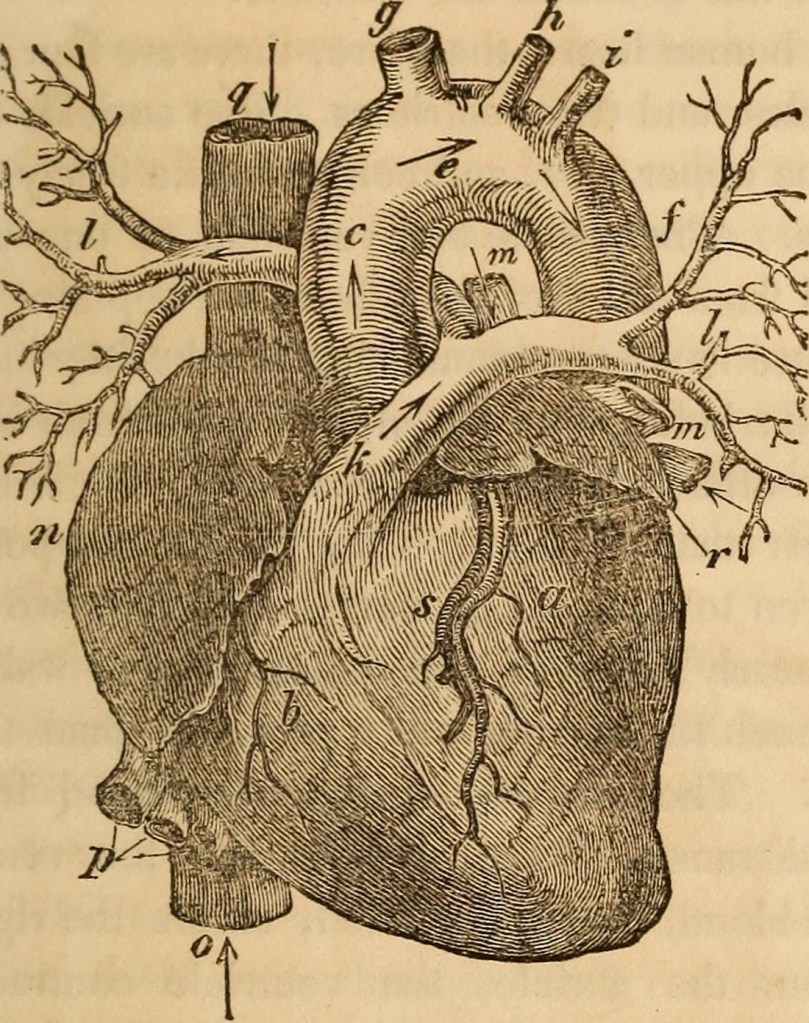
The heart is one of the great themes of the Bible. It first shows up near the first page of the Bible in the story of the flood — “Then the LORD saw that the wickedness of man was great on the earth, and that every intent of the thoughts of his heart was only evil continually” (Gen. 6:5).
And it is near the last page of the Bible as a condemnation of the great opposer of God, Babylon, as she deludes herself about her sensual and rebellious living saying “[I] will never see mourning…” (Rev. 18:7).
In between those two accounts (which notably are both about the sinful inclination and sinfulness of the heart) are more than 750 more references to the heart. In both example and instruction, it is clear that the heart, soul, spirit (inner man) of each individual is what drives and compels what every person does in every single thing they do. Jesus said it most clearly: “The good man out of the good treasure of his heart brings forth what is good; and the evil man out of the evil treasure brings forth what is evil; for his mouth speaks from that which fills his heart” (Luke 6:45).
Because of the importance of the heart as the source of all that we do, Solomon exhorts his sons to “Watch over your heart with all diligence, For from it flow the springs of life” (Prov. 4:23). Watch the inner life — because what one thinks about casually, what one dwells on persistently, what one desires, longs for, and what motives one cultivates are the producers of everything we do.
Be watchful. Be attentive to your private thought life so that you will protect your public observed life.
But one of the difficulties about being watchful over ourselves is that we are prone to deceiving ourselves. James addresses those who purport to believe the gospel yet they don’t recognize (or aren’t willing to recognize) that something is amiss: “But prove yourselves doers of the word, and not merely hearers who delude themselves” (James 1:22; my emphasis). There is a kind of follower of Christ who in fact is not a follower but he is self-deceived and blind to the emptiness of his proclamation of Christ.
One antidote to being deluded is to ask ourselves questions — to not only observe what the fruit of our actions reveals about the spiritual tree from which they sprout (Luke 6:43-44), but to also search our souls (and let the Spirit search us) and to be truthful with ourselves about what is exposed (Ps. 139:23-24). I have gathered and adapted the questions that follow from several sources to help me examine my own soul:
- What do you want? For what do you desire, crave, lust, seek, aim, pursue, hope, and wish? What desires do you serve and obey?
- What are your plans, agendas, strategies, goals, expectations, and intentions?What are they designed to accomplish?
- What do you want to do? What do you not want to do (or refuse to do)? Do you want what you want, or do you want Christ’s lordship over your life?
- Where do you look for security, meaning, happiness, fulfillment, joy, or comfort? Where do you go for safety and refuge? In what do put your basic trust?
- Do you work hard to put your heart (desires) “into a holy frame?” Are you intentionally persistent with spiritual soul practices?
- What encourages you to be joyful? Is your life characterized by a settled sense of contentment and peace, even when trouble invades your life?
- What do you fear? What most often tempts you to worry or be anxious?
- What do you love and hate most of all?
- Do you deny yourself or indulge yourself?
- What provokes you to anger? Is your life characterized by anger (or are there regular and consistent expressions of anger in your life)?
- Are you prone to jealousy or envy? What do you covet? Or are you content with what you have?
- How do you define success or failure in a particular situation?
- Are you prone to regret, meditating on “what if…” or are you confident in God’s goodness, even in the harshest circumstances of your life?
- What image do you have of who you are, who you ought to be, or who you want to be?
- At your deathbed what do you believe would sum up your life as having been worthwhile?
- What is the state of most of your relationships? Are you at peace with most people, or are many of your relationships entwined in unreconciled conflict? Do you repent of your sin fully and joyfully? Do you forgive quickly and joyfully?
- What do you talk about?
- On what do you spend your money? Do you give to God’s purposes sacrificially?
- On what do you spend your time?
- What do you see as your rights?
- When you are pressured or tense, where do you turn? What do you think about?
- Do you pray? Regularly, habitually, and with joy? For what do you pray?
- Do you delight in regular private worship? Do you delight and engage in consistent and regular public worship?
Internet Archive Book Images, No restrictions, via Wikimedia Commons.
 Words of Grace
_(14803245943).jpg)