
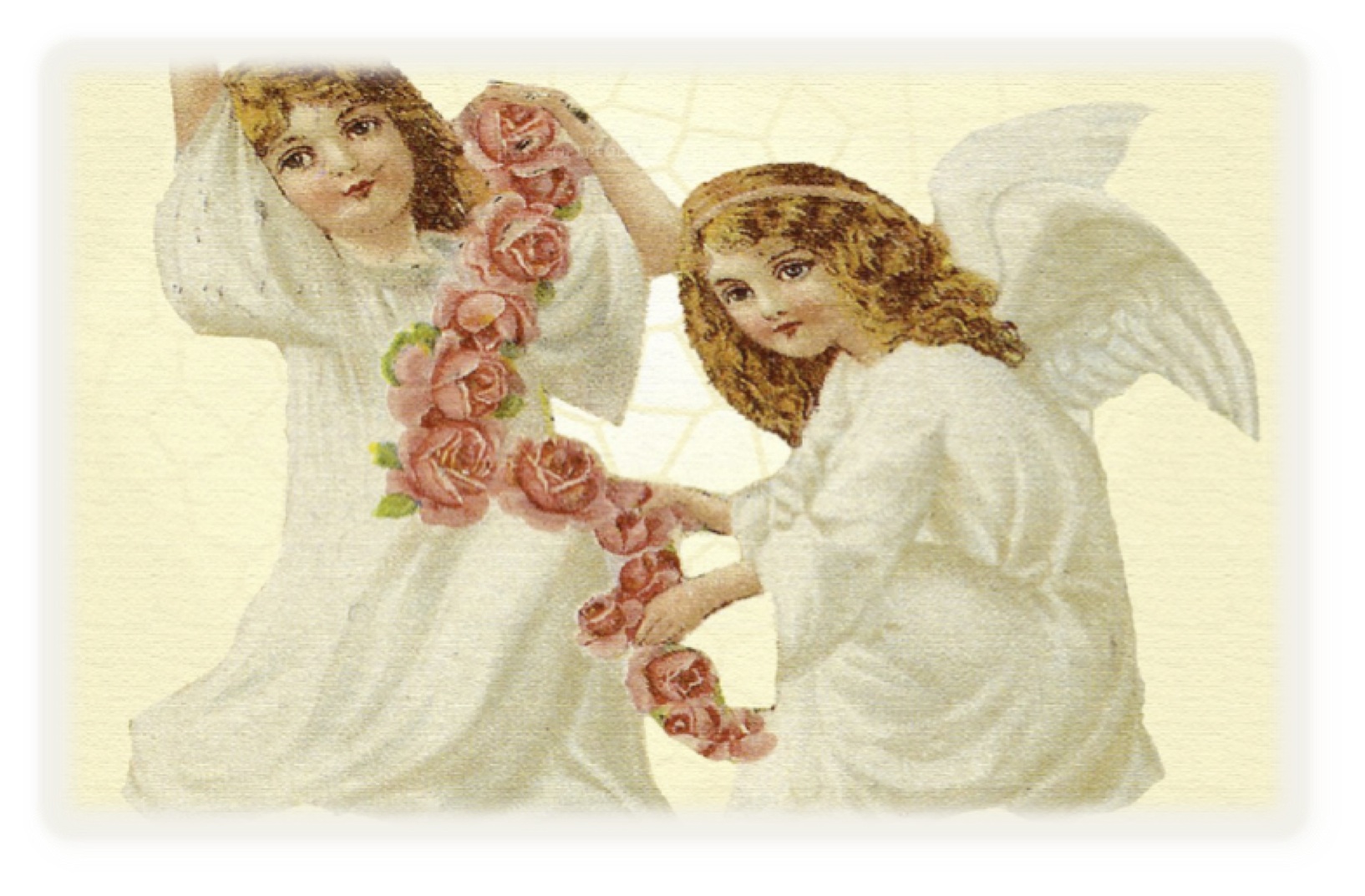
Go into virtually any Christian bookstore and you will find them gracing the fronts of greeting cards, serving as ornamental fixtures for shelves, and maybe even offering help as holders of candles or potpourri. They are chunky cherubs — sweet and innocent and harmlessly-winged little helpers.
Yet Scripture views them as anything but that. It is significant to note that whenever angels are seen by humans that almost every time the first words spoken by the angels are “fear not.” The response of man has never been to see an angel and say, “how cute…” The reaction to the appearance of an angel is almost always terror. And that is of the good angels — God’s servants!
What shall we think of angels and how did there get to be good angels and bad angels? How is it that angels in the presence of God chose sin? And what should we think about their fall? A professor in seminary many years ago answered those questions with this contemplation:
In the study of theology, there is usually far more emphasis given to the sin of man than to angels. This is unusual because sin per se is not original to the human race. It has its origin in the divine or celestial household. In terms of the outworking of the eternal decree, God could have avoided sin but chose not to do so. God is not the author of sin but He allowed for its entrance into the universe. The angelic fall, on a primordial, pre-temporal occasion, was a part of God’s plan in the sense that God was not caught off guard. God is completely sovereign and anticipated angelic sin in the decree. The original state of angels was sinless — ‘unconfirmed holiness.’ They were all created holy and apparently were given a period of probation to confirm their goodness or wickedness. And some chose evil. There was no evil influence around the angels, external to themselves. More than likely, they simply all followed the example of Lucifer or Satan who sinned through pride, ambition and the aspiration to ‘be like God’ (1 Tim. 3:6; Isaiah 14:13-14). The self-assertion of pride swept away a substantial number (perhaps a third) of the celestial or divine household of God. At any rate, Ezekiel 28:15 is as far back as the Bible takes us with regard to the origin of sin in Satan. The awesome thing about angelic sin is that God apparently has no soteriological, redemptive plan to extend grace to the fallen angels, as He does in the case of Adam and his posterity. Angels who fell are confirmed in an eternal state of wickedness and thus doomed. Those who fell are confirmed in sin, even as those who did not fall were confirmed in their holiness.
 Words of Grace