
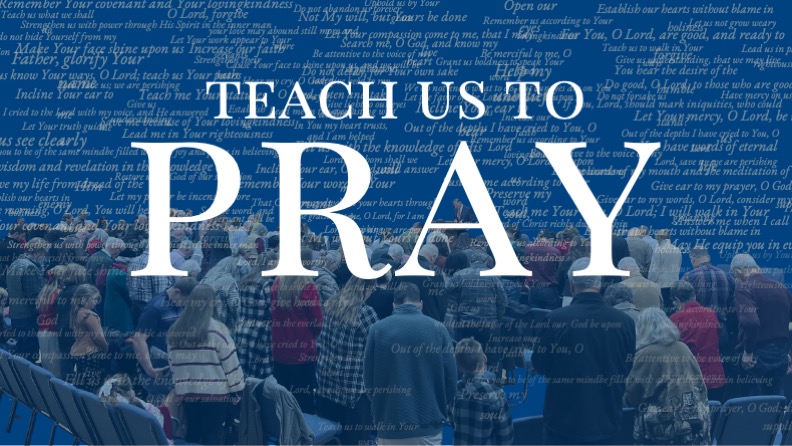
It’s hard to pray. Sometimes we lack the discipline to pray. Sometimes we forget to pray. Or perhaps worse, we allow the pressures and burdens of less important but seemingly more urgent responsibilities push aside prayer. At times prayer is inhibited because of sinful indulgences — and those indulgences become more precious to us than time with our gracious Father. Or perhaps we are hurting or grieving so deeply that we do not know what to say in prayer.
So we don’t pray. But we are not alone. The struggle with prayer is a long-lasting one. The disciples watched and heard Christ pray and recognized they needed to learn to pray — so they asked Him, “Lord, Teach us to pray” (Lk. 11:1). The Reformer, Martin Luther, also struggled to pray — and provided direction for us when we similarly struggle:
…when I feel that I have become cool or joyless in prayer because of other tasks or thoughts (for the flesh and the devil always impede and obstruct prayer), I take my little Psalter, hurry to my room, or, if it be the day and hour for it, to the church where a congregation is assembles and, as time permits, I say quietly to myself and word-for-word the Lord’s Prayer, Ten Commandments, the Creed, and if I have time, some words of Christ or of Paul, or some psalms, just as a child might do.
In that statement, Luther offered a three-fold antidote to prayerlessness:
- Be obedient to pray
- Read Scripture to teach you how to pray
- Listen to (or read) the prayers of others to stimulate affections to pray
The same provisions are also given to us.
As soon as you recognize the inclination not to pray, run to prayer and begin by repenting of your self-dependence and self-righteousness.
Secondly, use the Bible to stimulate your prayers. There are abundant examples of prayers in the Bible and there are many exhortations for what to pray for others. As you read your Bible day-by-day keep a list of items to pray, or start with the list, “Prayer in the Bible” and expand it as you read your Bible.
Finally, pray regularly with someone else to teach you to pray — including using the written prayers of those who have gone before us. There are many outstanding books of prayers and they can be profound encouragements to our prayer life. You might consider some of these that I have found helpful over the years (and you might keep some on your digital reader to use when you can’t sleep at night as well):
The struggle to pray is common. And God’s provision for teaching us to pray is also common and available. Now we just need to use those resources He has given us.

